



The kitchen is often called the heart of the home, and for good reason. It’s where meals are crafted, memories are made, and sometimes even a bit of chaos unfolds. As you design or renovate your culinary space, every detail matters—especially when it comes to tile finishes. Choosing the right finish can elevate your kitchen from functional to fabulous while ensuring it remains clean and inviting. With so many options available, how do you decide which one fits best? Let’s explore the world of tile finishes that not only enhance aesthetics but also play a crucial role in maintaining cleanliness in your kitchen sanctuary.
The Importance of Choosing the Right Tile Finish
Selecting the right tile finish is essential for both functionality and style in your kitchen. The finish you choose can significantly impact how your space looks and feels.
A well-chosen finish enhances light reflection, adding warmth and brightness to the room. It sets the tone for your overall design, whether you’re aiming for a modern vibe or a rustic charm.
Functionality matters too. Some finishes are more resistant to stains and scratches, making them ideal for high-traffic areas where spills and kitchen splashback tiles are inevitable. An easy-to-clean surface means less time scrubbing tiles after cooking up a storm.
Moreover, the right finish can influence safety. Textured tiles provide better grip underfoot, reducing slip hazards when things get hectic in meal prep mode. Keep these factors in mind as you embark on your tile selection journey; they play a crucial role in creating an inviting culinary haven that withstands daily use.
Types of Tile Finishes for Kitchens
When it comes to tile finishes, variety is the spice of life. Each type offers distinct aesthetics and functionality for your kitchen.
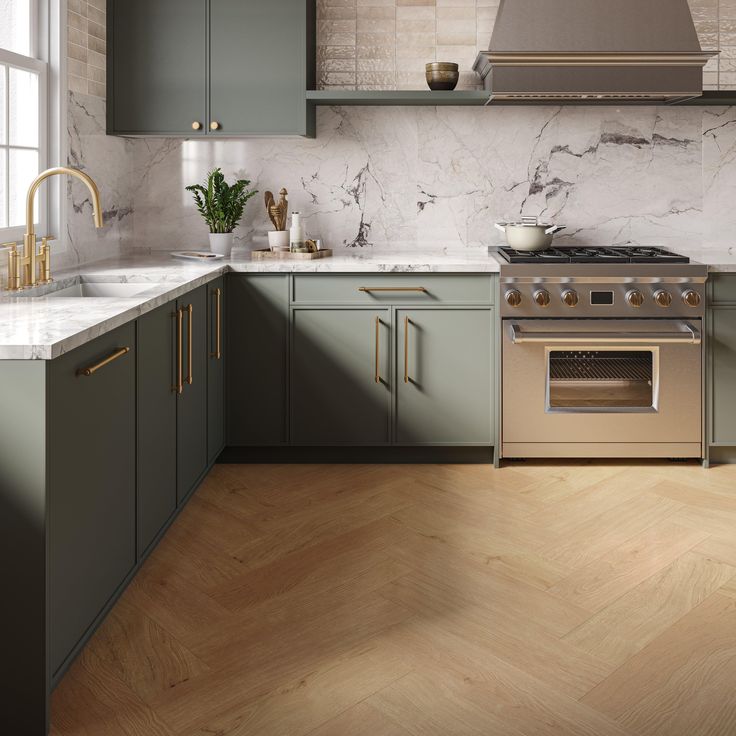
Glazed tiles are popular for their glossy surface. They resist stains effectively and provide a vibrant color palette. Ideal for those who want an easy-to-clean option.
Matte finish tiles present a different charm. These offer a more subdued look and can hide scratches better than shiny options. They work well in farmhouse or rustic kitchens.
Textured tiles add depth and character to your space. Their uneven surfaces not only catch the eye but also help with traction, making them safer in busy areas.
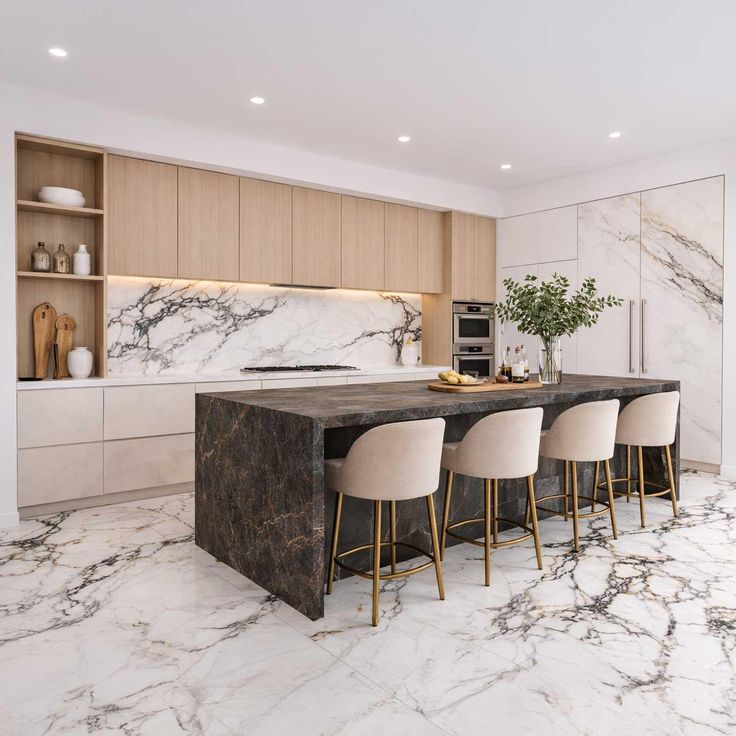
Polished porcelain combines elegance with durability. It mimics natural stone without the high maintenance, perfect for modern designs looking for luxe appeal without compromise on practicality.
Pros and Cons of Each Finish
Glossy finishes are visually striking. They reflect light beautifully, creating a bright kitchen atmosphere. However, they can show smudges and scratches easily, requiring frequent cleaning.
Matte finishes offer a soft, sophisticated look. They hide imperfections well and resist fingerprints. Yet, they may trap dirt more than their glossy counterparts, making maintenance slightly trickier.
Textured tiles add dimension to your space. Their unique patterns can enhance visual interest while providing better grip underfoot. The downside? Cleaning textured surfaces often requires extra effort to ensure all dirt is removed from crevices.
Satin finishes strike a balance between matte and glossy options. They provide some shine without the harshness of high gloss but may still need regular upkeep to maintain their appeal.
Choosing the right finish depends on your personal style and lifestyle needs. Each option offers distinct advantages paired with its own set of challenges to consider carefully before deciding.
Factors to Consider When Choosing a Tile Finish
When selecting a tile finish, consider your kitchen’s overall design. Your tiles should harmonize with countertops and cabinets for a cohesive look.
Think about durability too. Kitchens are high-traffic areas that require materials able to withstand spills and stains. A robust finish can save you from frequent replacements.
Ease of maintenance is another crucial factor. Some finishes demand more cleaning effort than others. Choose one that fits your lifestyle; busy homes might benefit from low-maintenance options.
Don’t overlook texture either. Smooth surfaces may be sleek but can become slippery when wet, while textured finishes offer better traction.
Color plays a significant role in the ambiance of the room. Lighter shades can create an airy feel, while darker tones add depth and drama to your space.
Maintaining and Cleaning Different Tile Finishes
Maintaining and cleaning your kitchen tile finishes is essential for preserving their appearance and longevity. Different materials require varying care techniques to keep them looking fresh.
For glossy tiles, a gentle cleaner or mild dish soap mixed with water works wonders. Use a soft cloth or mop to avoid scratching the surface. Regular sweeping can prevent dirt buildup, which keeps these tiles shining bright.
Matte finishes are generally more forgiving when it comes to fingerprints and smudges but still need regular attention. A damp mop with a pH-neutral cleaner will help maintain their look without causing damage. Avoid abrasive tools that could scratch this finish.
Textured tiles add depth but can collect grime in those crevices. For these surfaces, use a brush along with soapy water to scrub gently between the grooves. Rinse thoroughly afterward to remove any soap residue.
Glazed ceramic tiles offer durability but also benefit from routine care. A simple solution of vinegar and water can effectively cut through grease while being gentle enough not to harm the glaze.
Natural stone requires specialized cleaners as acidic substances can etch its surface. It’s best treated with products designed specifically for stone maintenance.
By understanding how each tile finish responds to cleaning methods, you’ll ensure your kitchen maintains that clean look you desire for years ahead!