



A fashion event begins long before the first model walks out, the first guest takes a photo, or the first glass is poured. It starts with the room. The shape of the space, the light, the entrance, the walls, the flow of movement, and even the way people naturally gather can all influence how the event feels before anyone has said a word.
That’s why choosing a fashion event space isn’t just a practical decision about capacity and availability. It’s a creative decision, too, because the venue becomes part of the story you’re trying to tell. Whether you’re launching a collection, hosting a runway presentation, building a showroom experience, or creating content around a brand moment, the setting has to support the clothes rather than compete with them.
The space should understand the pace of the event
Fashion events have their own rhythm. Guests arrive and settle in, photographers look for angles, stylists and creatives move between backstage and front-of-house, and the energy slowly builds toward the main presentation. A venue that works for a sit-down dinner or corporate seminar may not automatically work for this kind of movement.
You need enough room for people to circulate without the event feeling empty, enough structure to guide attention where it needs to go, and enough flexibility to adapt the layout around the concept. A runway show, for example, may need clear sightlines and a controlled central focus, while a showroom-style event might work better with open zones, installations, mirrors, racks, and places where guests can linger with the garments.
Lighting can make or break the mood
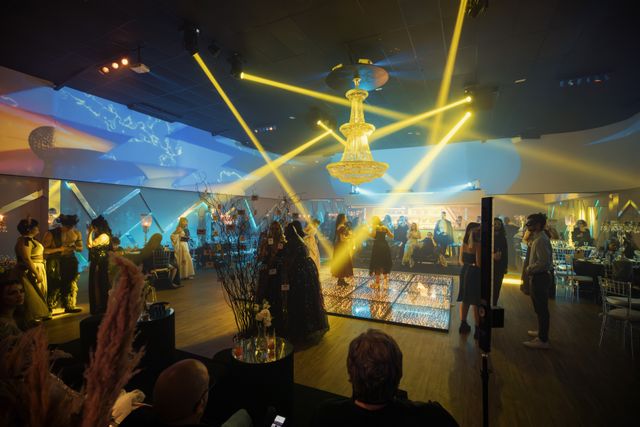
Clothing is visual, so lighting matters more than people sometimes realise. Harsh light can flatten textures, dull colours, and make the room feel clinical, while lighting that’s too dim can make it hard for guests, photographers, and content creators to see the detail in the pieces. The best fashion spaces give you options, whether that means natural light, controlled artificial lighting, or a blank canvas that can be styled to match the brand.
This is especially important now that every event has a second life online. Guests will take photos and videos, media teams may be capturing content, and the brand will probably want assets that can be used after the event. A venue that photographs well gives the whole production more value.
The venue should add atmosphere without stealing attention
There’s a fine balance between character and distraction. A space with strong architectural detail, gallery-style walls, or an interesting industrial feel can give a fashion event depth and personality, but it shouldn’t overpower the collection. The clothes still need to be the focus.
That’s why neutral, adaptable venues can be so useful. They allow the creative team to bring in styling, florals, sound, seating, signage, projection, or installations without fighting against the room. The venue becomes a frame, not the entire picture.
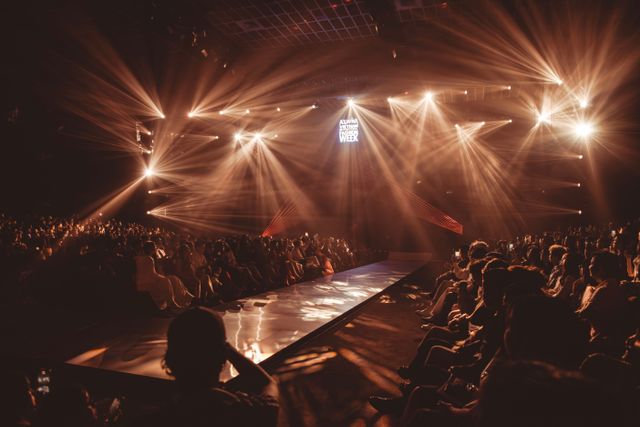
Guests remember how the event felt
People may come for the fashion, but they remember the atmosphere. They remember whether arrival felt smooth, whether they could see properly, whether the space felt crowded in a good way or uncomfortable in a bad way, and whether the event had a sense of intention from beginning to end.
A well-chosen venue makes everything feel more considered. It helps the brand look polished, gives creatives room to do their best work, and allows guests to step into a world that feels distinct from everyday life.
For fashion, that sense of transformation matters. The right space doesn’t just hold the event; it helps create the moment.