





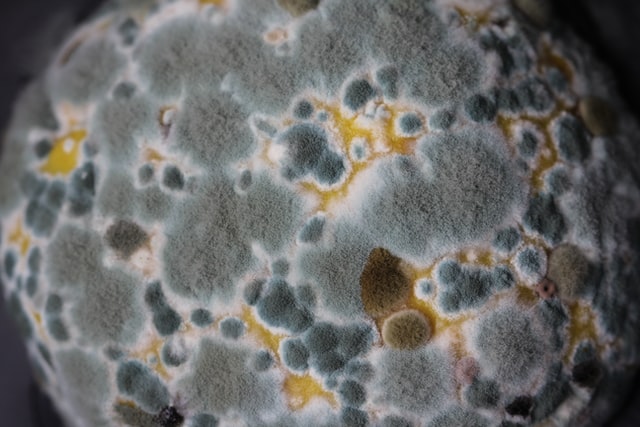
Sydney’s climate is characterised by warm summers, periods of intense rainfall, and sporadic severe storms that put the waterproofing of residences throughout the city to the test. Even well-constructed homes may eventually develop weaknesses that allow moisture to enter the wall structure because external walls are the first to be exposed to the elements. Once water enters, it can cause extensive damage to insulation, interior linings, structural lumber, and contribute to the growth of mould, which poses serious health problems.
It is significantly less expensive to waterproof external walls proactively than to deal with the aftereffects of water intrusion. Significant expenses associated with structural repairs, internal repainting, mould removal, and the replacement of damaged materials may have been prevented with the proper waterproofing solution performed at the appropriate time.
Recognising Sydney Waterproofing Options for External Walls
Services for external wall water proofing sydney include a variety of materials and methods appropriate for various wall kinds and building styles. Penetrating silane or siloxane waterproofing chemicals, which reject water at the molecular level without altering the surface’s appearance, are frequently applied to rendered brick walls. Because these penetrating sealers are permeable, moisture vapour can leave from the wall while liquid water cannot enter from the outside.
Elastomeric waterproofing membranes can be put over the surface of walls that already have coatings or renders to fill in small fractures and provide a flexible, waterproof barrier. When the building expands and shrinks due to temperature changes, these coatings follow suit, keeping their integrity intact. Heavy-duty waterproofing systems could be necessary in locations with greater water exposure, including retaining walls or subterranean components.
How to Tell If Your External Walls Need to Be Waterproofed
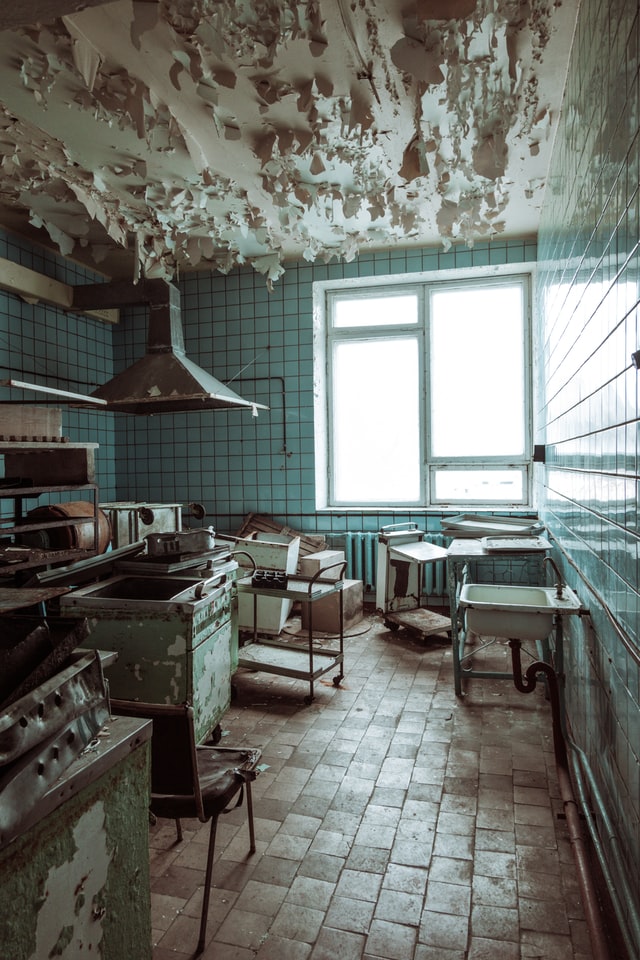
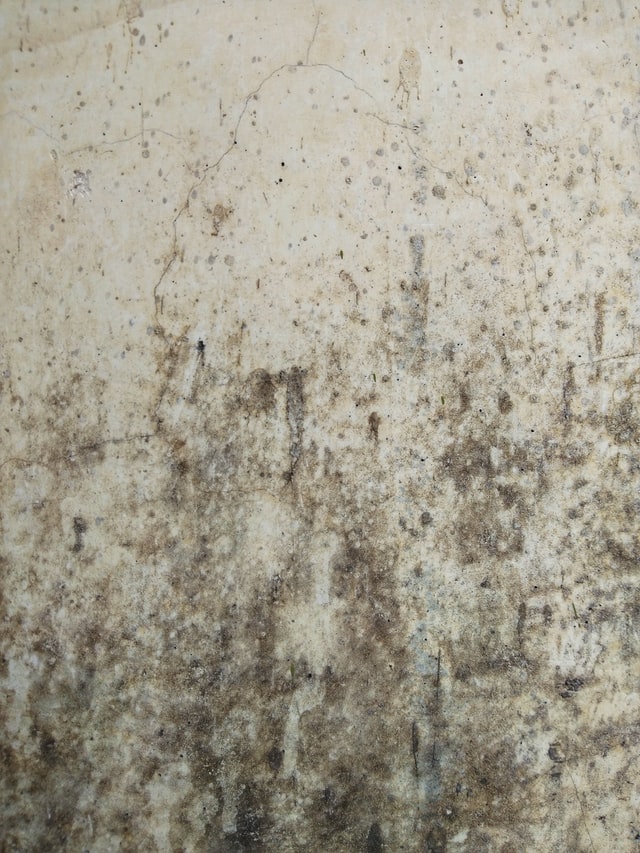
External walls may be allowing water in, according to a number of warning indicators. Indicators of moisture intrusion include visible efflorescence (white salt deposits) on the exterior of brick or rendered walls, musty odours that linger despite ventilation, damp patches that appear on interior walls after rain, and paint bubbling or peeling on the interior of external walls.
Another typical way for water to enter render or brickwork is through cracks, especially those that run horizontally or develop around window and door frames. A comprehensive waterproofing examination will also find other vulnerabilities, such as flashing failures, plugged weep holes, and failed sealant joints surrounding penetrations.
Selecting a Sydney Waterproofing Expert
Look for businesses that specialise in external wall systems rather than just basic waterproofing work when choosing a Sydney waterproofing contractor. Understanding the variety of wall construction styles present in Sydney’s varied housing stock will put a contractor in a better position to correctly identify the cause of water intrusion and suggest the best course of action.
Before beginning any treatment, request a comprehensive documented scope of work and make sure the contractor offers a meaningful warranty on the application and the supplies. Long-lasting protection should be provided by high-quality waterproofing materials placed correctly by skilled craftspeople, and a reputable contractor will support that assertion with a written guarantee.











Comments are closed.