



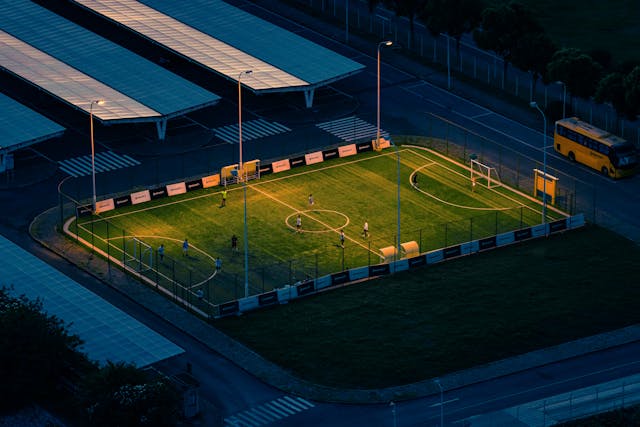
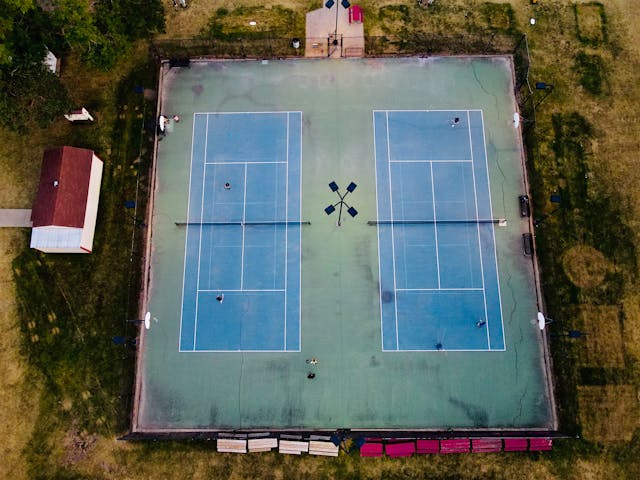
Sporting facilities have a significant positive impact on communities all around Australia. They are where communities come together for important events, where local cricket clubs compete on weekends, and where children learn to kick a football. It takes more than just beauty to maintain these grounds in excellent condition. It concerns playability, safety, and making sure the facility can be used as frequently as feasible all year round.
The effectiveness of a sporting ground’s water management is one of the main variables influencing its usage. Poorly drained fields may become unplayable for days due to heavy rainfall, which can result in cancelled games, disgruntled clubs, and accelerated surface degradation that reduces the field’s lifespan.
The Significance of Investing in Sports Ground Drainage
Investing in high-quality sports ground drainage is a long-term commitment made by councils and athletic clubs to the communities they serve. Safer playing conditions, fewer cancelled games, and surfaces that bounce back fast after rain are all benefits of good drainage systems. By avoiding the type of waterlogging damage that necessitates costly remedial work, it also gradually lessens the maintenance strain.
Healthy turf is also supported by a well-drained field. Grass roots require oxygen just as much as water, and soils that are consistently damp deprive roots of the air they require to flourish. Strong turf growth and a surface that can withstand the demands of frequent use throughout the athletic season are encouraged by proper drainage, which maintains the balance of the soil environment.
Australian Sporting Ground Design Considerations
Understanding the location is the first step in creating an efficient drainage system for a sports facility. The design is informed by local rainfall data, terrain, existing vegetation, and soil permeability. Because clay-heavy soils inherently resist water infiltration, engineered drainage systems are necessary rather than elective in many Australian locales.
Typically, the design process entails site surveys, pipe size and layout determination, drainage aggregate selection, and planning for the discharge of collected water. Water-harvesting and reusing sustainable methods are gaining popularity, especially in arid areas with high irrigation requirements.
Collaborating With Skilled Drainage Experts
Sporting ground drainage is a professional industry that values experience and technical expertise, and not all drainage contractors are created equal. It is ensured that the design and installation satisfy the particular requirements of the desired sport and usage level by working with contractors who have a track record of success in sports facility drainage.
Facility managers should verify that the suggested design has been correctly developed, request samples of prior projects, and verify pertinent licenses and certificates before committing to a contractor. Including a sports turf specialist in addition to the drainage contractor can enhance the process with important knowledge. The objective is a system that consistently produces dependable results, providing the community with a facility they can truly be proud of and depend on no matter the weather.