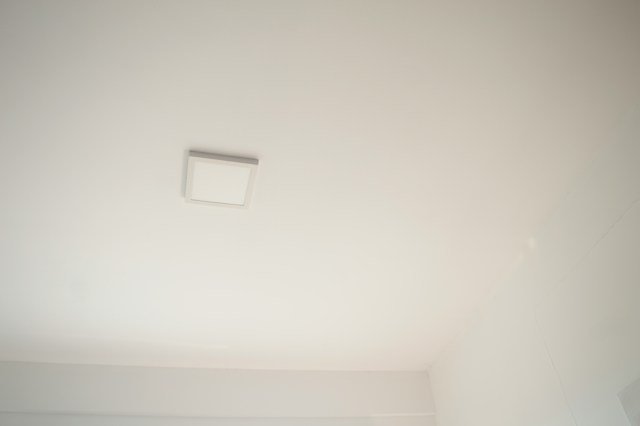



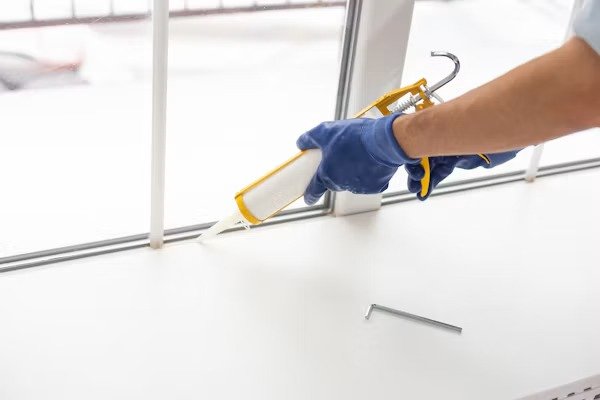
The facilities manager sees a brownish stain spreading outwards on a plasterboard wall. The stain ends before reaching the ceiling. The roof is checked, but nothing is seen to cause it. Further investigations show that there is a leak in the sealant joint in the building’s facade. This gap is barely as wide as a pencil line. These kinds of issues are typical in commercial buildings because even small gaps let water get inside.
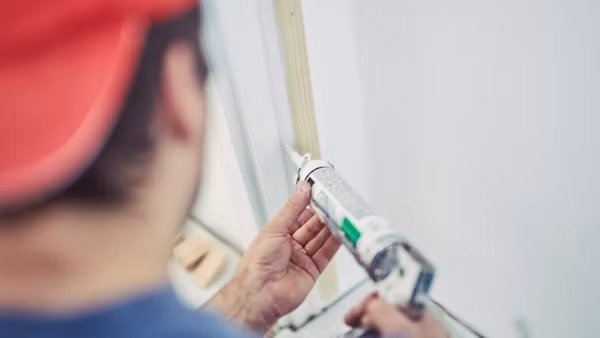
Why Small Gaps Matter?
Water ingress is one of the most frequent and costly building defects in Victoria, according to its Building and Plumbing Commission. In its inspections of balcony waterproofing, the commission discovered issues such as insufficient membrane thickness, lack of terminations, and poor surface preparation. In separate research conducted by the commission, vulnerabilities of joints in walls and roof assemblies were investigated. While this study was mainly concerned with residential and smaller buildings, the main conclusion applies to commercial buildings as well.
This conclusion is that water often seeps in through joints rather than through walls. Window heads, window sills and joints between windows and walls were among the most vulnerable parts. Lack of flashing and commercial caulking contributed to these vulnerabilities.
Why Do Commercial Building Joints Need to Be Able to Move?
Big commercial buildings are always having to deal with movement, even the tiny kind that you can’t even notice. The sun comes out and heats up one side of the building while another side stays nice and cool. The building panels then end up expanding and contracting as the temperature goes up and down, and the sealant that holds them together has to be able to handle that movement without losing its grip.
- Precast panel joints are the kind that hold together massive, heavy sections; even a tiny bit of movement can become a big deal there.
- Expansion joints are meant to let building materials stretch, but the sealant in them tends to be one of the first things to start showing its age.
- Window and door joints are right where different materials are rubbing up against each other and expanding at different rates, putting a lot of pressure on the sealant.
- Car parks and driveways have to put up with the weight of cars plus standing water and all the normal wear and tear; that’s a lot of stress on the sealants.
How to Spot Sealant Failures and What to Look Out For?
Sealant damage usually doesn’t just happen overnight. It starts with small problems that are easy to miss at first. Adhesion failure typically looks like a tiny gap along the edge of the joint, where the sealant has basically fallen off the surface. And then there’s cohesive failure, where the sealant just starts to tear apart from the inside. And let’s not forget sun exposure; that can cause it to get all hard and cracked and brittle.
Most early failures are down to a bad job of getting the surface ready for the sealant in the first place. Just a tiny bit of dust or moisture or old gunk on the surface can stop the new sealant from bonding properly, no matter how good the product is. You’ve got your silicones, your polyurethanes and your hybrids; each one has its own strengths and weaknesses, so you need to pick the right one for the job. And even if you slap some cheap sealant on there and it looks neat and tidy, it can still fail fast if it’s not the right tool for the job.
It’s often building occupants who are the first to notice problems like these; they’re the ones who get to feel the damp and the draughts and the mould. And then air leaks start to become a problem because any gaps in the walls can let conditioned air escape, and warm air in.
Making Regular Building Inspections a Priority
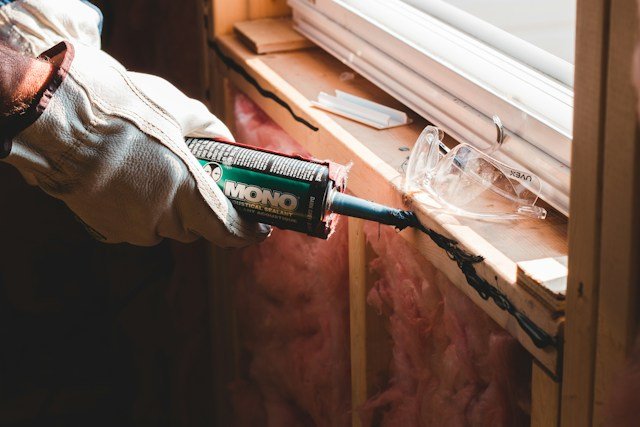
Giving your commercial building a good once-over every now and then can help you catch sealant problems before they really start to cause any damage. But of course repair costs will still depend on how bad things have got, so it’s worth getting on top of it early.
- Make a systematic go of it and inspect every side of the building, keeping track of what kind of joints you’ve got, how wide they are and how they’re doing.
- Take some photos of the same spots each time you inspect, so you can see how things are changing over time.
- And make sure it’s clear who’s responsible for fixing any problems that crop up, whether that’s the owners, the facilities manager or one of the tenants.
Having a record of how things were changing can also be useful if things go to dispute over who should pay for repairs. Water can keep spreading long after you first notice there’s a problem; it’s only when it starts to cause real damage that you know you’ve got a problem. And when a stain pops up on the ceiling or a wall, that’s probably a sign that there’s a gap somewhere in the exterior walls that’s been left open for too long.