




The property agent asks for the Smoke Alarm Compliance Certificate, making the seller uncertain whether the Queensland law really demands that document. In this case, there is always an answer depending on the particular circumstances and whether there was electrical work performed at that property. Understanding the difference between compliance and an agent’s paperwork may help the owner avoid unnecessary expenses for some documents.
The Deadline for Smoke Alarm Compliance
Starting from 1 January 2027 all private homes, townhouses, units and manufactured homes in Queensland should be equipped with interconnected photoelectric smoke alarms. Also, all registered caravans and motorhomes should have photoelectric alarms. The alarm should meet Australian Standard AS3786:2014 with corresponding marking on the alarm device.
Houses for sale or rent are already covered by this requirement as the previous stages of the legislation addressed these houses first. Owner-occupied houses will be the last group of buildings that should be compliant with these requirements. That is the reason why sellers and landlords have been facing issues with the smoke alarm compliance certificate QLD before it became necessary for every existing building.
Legal Responsibilities for Sellers and Landlords
The Queensland Fire Department says you don’t need to inform them when your house meets the smoke alarm regulations. However, if you’re selling your property, you’ve got more paperwork to sort out because you might need to prove your property complies with the requirements. This usually involves completing a Form 24, which is typically sorted out by a conveyancer. Contracts for house sales signed after December 31st, 2021, will need to have the required smoke alarm upgrades done before the ownership gets transferred.
For landlords, the situation is a bit different. You’ve got to check and clean your smoke alarms no less than 30 days before a new tenant moves in, and if you fail to honour the regulations you may get hit with an infringement notice. This doesn’t mean that a purchased compliance certificate is all you need to show compliance; what really matters is that you’ve got the right, and working, smoke alarms installed in your property.
When a Smoke Alarm Certificate Is Needed?
Real estate agents might ask you to get a ‘certificate of compliance’ from a smoke alarm service provider, but this really is just their internal procedure and not a law. You don’t need a special qualification to test or clean a domestic smoke alarm. On the other hand, there is a separate certificate needed for certain electrical installations. If you get an electrician to install hardwired interconnected smoke alarms, then according to the Queensland electrical safety rules you will need a ‘Certificate of testing and compliance ’, which relates to the actual work done by the electrician and not just a routine smoke alarm check.
Smoke Alarm Power Sources and Installation Rules
Queensland’s regulations state that smoke alarms can either be hardwired or powered by a non-removable battery with a ten-year lifespan. If you’re going for a hardwired 240-volt alarm, you need to have a licensed electrician install it. Existing 240-volt alarms have to be replaced with hardwired photoelectric models. You can put in sealed battery-powered ones yourself.
When it comes to replacing smoke alarms, you have to stick with the same type of power source as the alarm you’re replacing; it’s got to be the same. The rule of thumb is that any alarm older than ten years or one that fails testing needs to get replaced, so if you’ve got some dodgy old alarm just replacing it is going to be easier than trying to sort it out through cleaning or maintenance.
Keeping Useful Smoke Alarm Compliance Records
Keeping a record of your smoke alarms isn’t too hard at all; you don’t need to create any mountains of paperwork. Simply make sure you keep a record of:
- The installation date or the date of the most recent test for each alarm.
- The manufacturer, model and AS3786:2014 marking on the alarm.
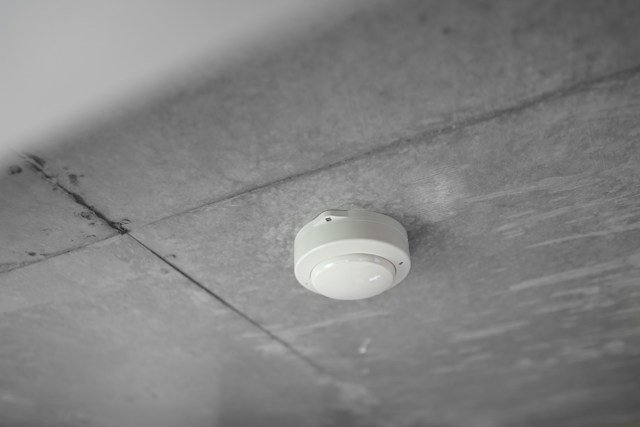
- Photos showing the location of all the alarms, including those in the bedrooms, hallways and on every level of the house.
- Confirmation that all the interconnected alarms did sound together when you were testing them.
- Details of the person who installed the alarm and the electrician’s certificate if you needed them to do any hardwired electrical work.
It’s also worth noting the replacement dates; it makes it easier to keep track of when the service life of a smoke alarm has come to an end. Keeping all this information with the rest of your property documents makes it way easier for you to provide proof of compliance to the people you need to, like buyers, conveyancers and property managers.
A certificate is only useful if the alarm is still working at the time of inspection; if the battery has failed since then, the certificate doesn’t count for much. Dated records are way more convincing than a certificate alone, so before going to the expense of getting a certificate you probably want to check exactly which document you need for your property transaction.