




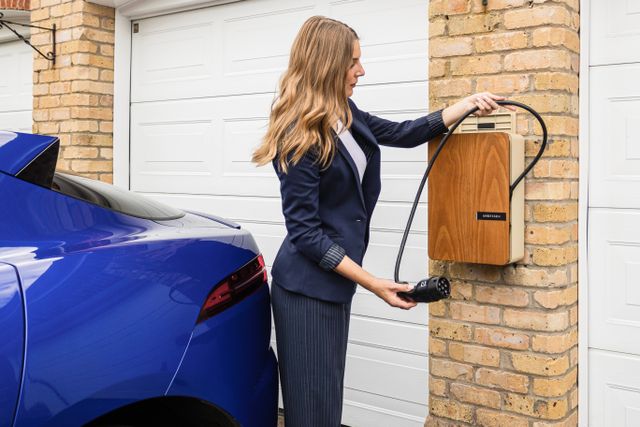
Good work is rarely only about the finished surface. Behind the result often sits what is happening in Perth homes, garages, carports and small commercial sites that are converting to electric vehicles, and how long that remains usable. For drivers who want charging to seem straightforward rather than impromptu, the preferable path is one that links the visible output to the hidden factors that enable it.
The benefit of electric vehicle charging installation perth comes into play when a future-ready vehicle but a property that may not yet be electrically equipped is dealt with enough care. The method should take into account switchboard capacity, cable runs, charger position, weather exposure, load control and safe daily access so that the end result does not create another problem later.
Looking at the situation as a whole
A good solution starts with context. The identical request can have distinct meanings in different houses, cars, rooms, streets or routines. The work is more accurate if the provider understands these variances and doesn’t respond with a standard answer when a customised solution is needed.
More Than Speed Is a Solution
A good process eliminates surprises. The provider and the customer have a far better idea of what is going on by inspecting the site before installation and aligning the charging system with the actual use of the vehicle. It also makes it easy to make changes if a new detail arises throughout the task.
The Human Side of Practical Work
The best fit is frequently felt rather than stated. It seems that when movement is easier, the routine is simpler, and the work that is done does not need to be looked at all the time. This is why planning should not end at the first impression but think about how the result will behave over weeks and months of use.
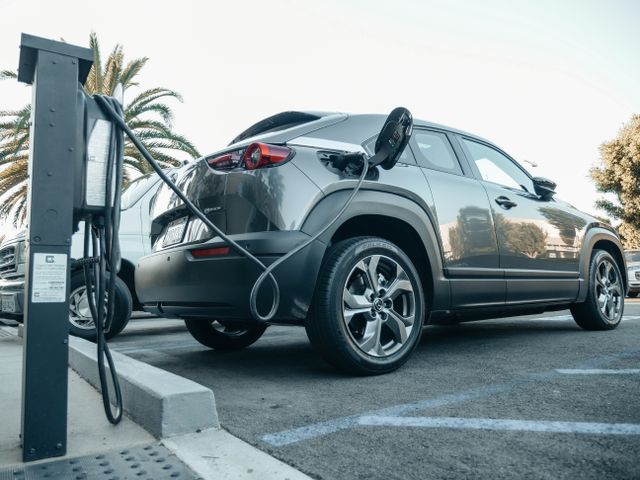
The Result Should Make Things Easier
After the work is done people rate work by how little hassle it creates. If it creates a regular routine where coming home is also preparing for the next trip, then it has met the demand in a way that is still significant. That is more powerful than a result that seems nice for a brief period of time.
Simple details are usually the most useful enhancements. A latch, a wall, a wheel, a window, a bench or a timetable can alter how people see a location. When those things are done well, the whole scenario feels more believable.
And finally there is the way switchboard capability can influence confidence before anyone sees the whole pattern. The ruling, in the case of a car that is ready for the future but not yet ready for the electric-property, is less likely to become a reoccurring expense or an irritant for drivers who would like charging to seem effortless, not improvised. In this case, assessing the site before installation and matching the charging arrangement to how the automobile is really used becomes more than a technical process, but a practical safety for the way the space, product or routine will be utilised afterward.
The ideal explanation ought to allow the reader to visualise the problem in practical terms. It should demonstrate how the differing requirements of Perth homes, garages, carports and small business sites adjusting to electric vehicles and why assessing the site pre-installation and aligning the charging arrangement with how the car is really used can enhance the end result. That specificity keeps the decision focused, even when the broader business is familiar.