




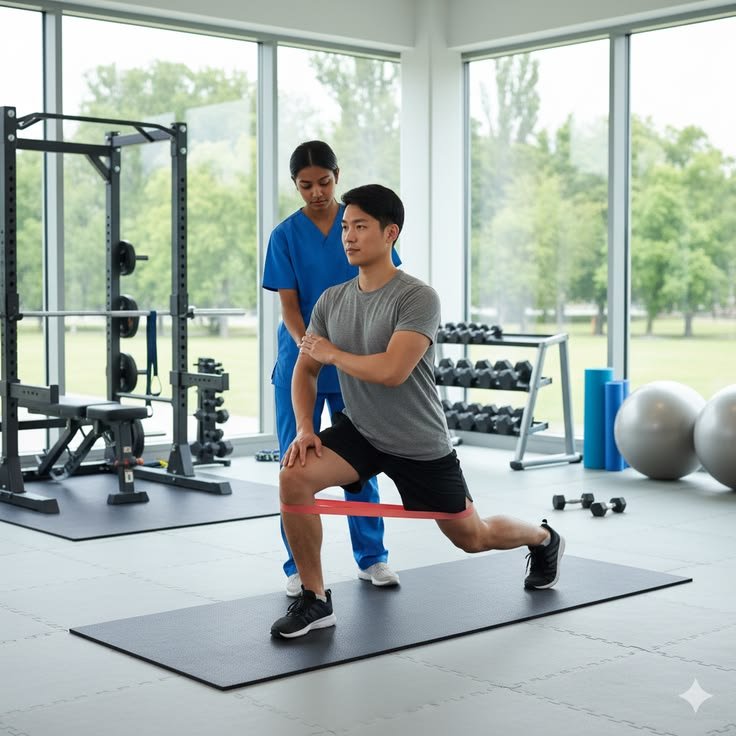
Maintaining an active lifestyle is important for supporting physical health, mobility, and overall wellbeing. However, muscle stiffness, joint discomfort, injuries, and reduced flexibility can sometimes make everyday movement and exercise more challenging. Physiotherapy offers a range of approaches designed to improve physical function, restore movement, and help individuals participate more comfortably in their preferred activities. Through professional assessment and personalised treatment, a physiotherapist can identify areas that need attention and recommend suitable strategies based on individual needs. Whether someone wants to return to sports, improve everyday mobility, or remain active as they age, physiotherapy can provide valuable support for maintaining a healthy and functional body. It can also help individuals understand their physical limitations and make informed decisions about exercise and daily activities. By addressing movement difficulties early, people may find it easier to maintain consistent activity levels and work towards their long-term fitness goals.
Improving Strength, Flexibility, and Mobility
Strength, flexibility, and mobility are essential for performing daily activities with greater comfort and confidence. People looking for Brighton physiotherapy can explore treatment options tailored to their physical needs and recovery goals. Physiotherapy may include targeted strengthening exercises, stretching routines, and joint mobility techniques to address specific physical limitations. These approaches can help improve muscle function, support joint movement, and make activities such as walking, climbing stairs, and exercising more manageable. Treatment is adapted to each person’s abilities and goals, allowing exercises to progress gradually as physical capacity improves. By developing a balanced exercise routine under appropriate guidance, individuals can work towards better movement control and physical endurance while reducing unnecessary strain during everyday tasks. Improving these physical abilities can also make recreational activities more enjoyable and accessible. With regular practice and suitable progression, individuals can gradually build the strength and flexibility needed to support a more active and independent lifestyle

Managing Pain and Supporting Physical Recovery
Pain and discomfort can affect how people move, exercise, and participate in their usual routines. Physiotherapy can help address these challenges through therapeutic exercises, movement education, activity modification, and other appropriate treatment techniques. A physiotherapist assesses the possible factors contributing to the problem and develops a plan to improve function while helping individuals manage their symptoms. Depending on the condition, treatment may also involve advice on posture, movement patterns, and ways to avoid activities that aggravate discomfort. This approach encourages people to remain appropriately active during recovery rather than relying entirely on rest. When symptoms persist or worsen, professional assessment is important to identify the cause and determine the most suitable treatment. With a carefully planned recovery programme, individuals can gradually rebuild their physical abilities and regain confidence in performing everyday tasks. Understanding how to manage symptoms and adjust activity levels can also help people approach recovery with greater awareness and realistic expectations.
Developing Better Movement Habits and Exercise Techniques
Physiotherapy is not only useful during recovery from an injury; it can also help individuals develop healthier movement habits for everyday life. Poor movement techniques, prolonged sitting, repetitive tasks, and sudden increases in exercise intensity may contribute to physical strain. Physiotherapists can provide guidance on posture, lifting techniques, exercise form, and activity planning to help people move more efficiently. For individuals who enjoy running, cycling, swimming, or recreational sports, treatment may include exercises that address the specific strength, balance, and coordination requirements of those activities. Learning how to increase activity gradually and recognise personal physical limits can support a more consistent routine and help individuals maintain confidence as they work towards their fitness goals. Simple changes, such as taking regular movement breaks and incorporating appropriate warm-up exercises, can also support healthier daily habits. Over time, these practical strategies can help individuals manage physical demands more effectively and remain engaged in the activities they enjoy.
Maintaining Long-Term Health Through Physiotherapy
Long-term physical wellbeing depends on regular movement, appropriate exercise, and habits that can be maintained over time. Physiotherapy can help individuals establish realistic goals and develop routines that support strength, balance, flexibility, and endurance. A personalised programme may include home exercises, gradual activity progression, and regular reviews to assess improvements and make adjustments when necessary. These strategies can be particularly valuable for people managing ongoing physical limitations or returning to activities after an injury. Combining professional guidance with adequate rest, consistent physical activity, and attention to changing symptoms can help individuals maintain their progress. With the right approach, physiotherapy can support greater independence, improved movement, and continued participation in the activities that make an active lifestyle enjoyable. Maintaining these habits can also encourage people to take a proactive approach to their physical health rather than waiting until discomfort begins to affect their routines. By making movement a regular part of everyday life, individuals can work towards sustainable improvements in fitness, confidence, and overall wellbeing.